Dental Emergency Plano TX for Patients With Dental Anxiety
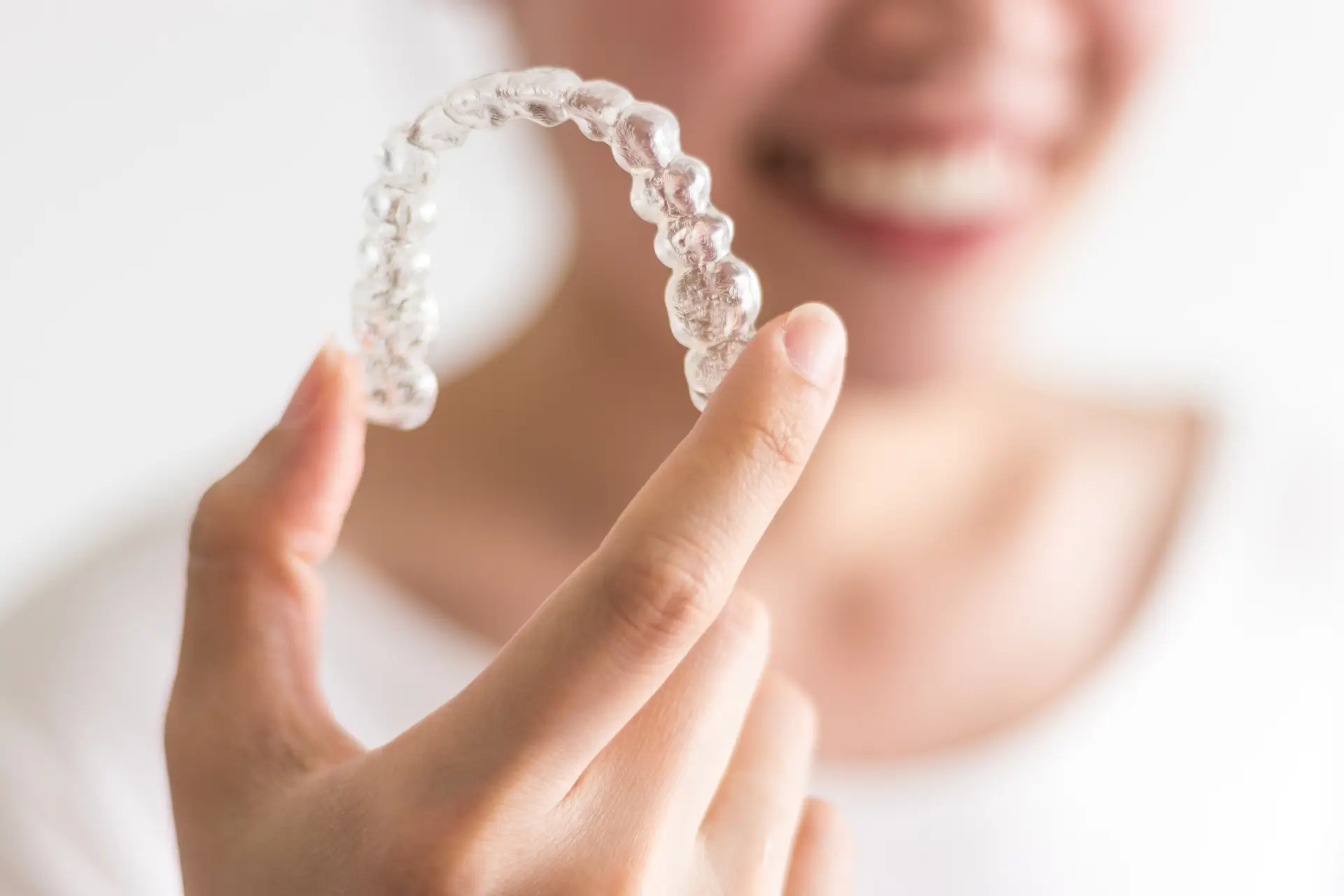
A dental emergency is stressful for anyone. For patients with dental anxiety, it can feel paralyzing. Pain is already difficult to manage. Add the sound of a dental office, the fear of bad news, the memory of a rough experience years ago, or the worry that treatment will hurt, and many people wait far too long to get help.
That delay is common, and it often makes the problem harder to treat.
In a place like Plano, where families, professionals, students, and retirees all keep full schedules, people often try to push through tooth pain until it becomes impossible to ignore. I have seen the pattern many times. A patient starts with sensitivity to cold, then a dull ache, then swelling, then a sleepless night. By the time they call for a same-day appointment, they are not only in pain, they are embarrassed that they waited. They should not be. Dental fear is real, and emergency care needs to account for it.
If you are looking for Dental Emergency Plano TX care and you also struggle with anxiety, the right office should treat both issues at the same time. Relief matters, but so does the way you are treated while you get there.
Why anxious patients handle dental emergencies differently
Dental anxiety does not always look dramatic. Sometimes it is obvious, with shaking hands, tears, or a racing heart in the waiting room. More often, it shows up quietly. A patient reschedules twice. Another says they are "fine" but grips the chair so tightly their knuckles go white. Someone else jokes constantly because humor feels safer than admitting fear.
In emergency dentistry, anxiety changes behavior in practical ways. Patients may downplay symptoms on the phone because they are afraid of what the diagnosis might be. They may avoid pain medication because they worry it will not be enough. They may arrive tense and expect the worst, which makes numbing more difficult and the visit feel longer than it is. When that happens, the clinical issue and the emotional response start feeding each other.
Pain also lowers tolerance. A person who can usually sit through a routine cleaning may find a cracked tooth or infected molar almost impossible to manage calmly. That does not mean they are overreacting. It means the nervous system is already on high alert.
A good emergency visit for an anxious patient is not just fast. It is paced properly, explained clearly, and built around reducing uncertainty. Fear gets worse in silence. It also gets worse when a patient feels rushed.
What counts as a true dental emergency
Not every dental problem needs immediate same-day treatment, but many do. The challenge is that anxious patients often misjudge urgency in both directions. Some assume every sharp pain means something catastrophic. Others convince themselves a serious infection can wait until next week.
A few situations usually deserve prompt attention. Facial swelling, uncontrolled bleeding, trauma to the teeth or jaw, a knocked-out tooth, severe toothache that keeps you awake, or signs of infection such as swelling near the gumline with fever or foul taste should not be ignored. A broken crown may not seem dramatic, but if the exposed tooth is painful or sharp enough to injure your tongue or cheek, it deserves quick care as well.
I often tell people that the goal is not to diagnose themselves perfectly. It is to recognize when symptoms are escalating, then call an office that can guide the next step. A calm front-desk conversation can make a big difference. The right team will ask useful questions, tell you whether to come in right away, and explain what you can do during the short window before your appointment.
The extra burden of shame
Many anxious patients carry more than fear. They carry shame.
They apologize for not flossing enough, for missing regular visits, for letting a broken filling sit for six months, or for needing extensive treatment. In emergency appointments, that shame can be intense because the situation feels avoidable. Sometimes it was avoidable. Often it was not. Fillings fail. Teeth crack on popcorn kernels and ice. Old root canals can flare up years later. Wisdom teeth can cause sudden pain after a long quiet stretch. Life gets busy, insurance changes, caregiving responsibilities pile up, and people put themselves last.
A professional dental office should not lecture a patient in distress. The immediate job is to stop pain, control infection, stabilize the tooth if possible, and explain realistic options. Judgment does not help someone say yes to care. Respect does.
That is especially important for patients who have had difficult dental experiences in the past. A person who felt dismissed, startled by pain, or pressured into treatment often remembers those moments in vivid detail. During an emergency, those memories return fast.
What a reassuring emergency visit should feel like
People tend to focus on the clinical side of emergency dentistry, and that is appropriate. Diagnosis matters. X-rays matter. The difference between needing a filling, a crown, a root canal, or an extraction matters. But for anxious patients, the experience of the visit often determines whether they follow through.
A well-run emergency appointment usually begins with triage and expectation-setting. The patient should know whether the main purpose of the visit is diagnosis, pain relief, definitive treatment, or some combination of those. In many cases, the first priority is to get the patient comfortable and safe. That may mean numbing the area, draining an abscess, smoothing a sharp edge, placing a temporary restoration, re-cementing a crown, or prescribing medication when appropriate. Sometimes complete treatment can be done the same day. Sometimes it cannot, especially if there is significant infection, swelling, or the need for a more complex procedure.
What matters is that the patient understands why.
Anxious patients often do better when the dentist explains one step at a time instead of delivering a dense lecture upfront. For example, hearing "First, we will take one image so I can see the root. Then I will test the tooth gently. After that, I will tell you whether this looks fixable with a crown or whether we are dealing with infection inside the tooth" is far more calming than broad, vague reassurances.
Specificity lowers fear.
When pain makes everything feel urgent
Severe dental pain narrows attention. It changes sleep, concentration, and patience. For people with anxiety, it also creates a sense of catastrophe. I have seen patients arrive convinced their entire jaw is infected when the issue is a fractured cusp and exposed dentin. I have also seen the opposite, where someone says the pain is "probably nothing" while they have obvious facial swelling from an abscess.
Pain quality gives clues, though it is not a perfect map. Throbbing pain that lingers and wakes you up at night often points toward inflammation or infection inside the tooth. Sharp pain when biting may suggest a crack, a loose restoration, or a periodontal issue. Sensitivity to cold that hangs on can indicate pulp irritation. Pressure and swelling in the gum may signal an abscess.
For the anxious patient, naming these possibilities helps. Not because self-diagnosis is enough, but because uncertainty fuels panic. Once you understand that there are several common causes, and that many are treatable the same day or at least manageable quickly, the emergency feels more contained.
Sedation and comfort options matter, but communication matters more
Many patients assume the only answer for dental anxiety is sedation. Sedation can be very helpful, but it is not always necessary, and it is not the first comfort tool every patient needs.
Often, what reduces anxiety fastest is a dentist who notices it early and adjusts the pace. That can mean pausing before injections, using topical anesthetic patiently, checking numbness thoroughly before starting, agreeing on a hand signal, or explaining the difference between pressure and pain. For some patients, that level of communication is enough to get through an urgent repair.
For others, sedation options make the appointment possible. Nitrous oxide is commonly used because it wears off quickly and takes the edge off without fully putting the patient to sleep. Oral sedation may be appropriate in certain cases, depending on medical history, the timing of the visit, and whether the patient has someone to drive them home. More involved procedures may call for deeper sedation through specialty arrangements. The details depend on the office, the procedure, and the patient's health profile.
The important point is that anxious patients should ask about comfort options early, even on the first emergency call. If you know you panic in the chair, say so. That is useful clinical information, not an inconvenience.
What to say when you call
The phone call is often the hardest part. People in pain tend to minimize, ramble, or freeze. If anxiety makes it difficult to describe what is happening, keep it simple and concrete. Tell the office where it hurts, when it started, whether there is swelling, whether you have trauma, and whether you are anxious about dental treatment.
A short, direct script can help: "I have severe pain in my lower right tooth, it started yesterday, my cheek looks swollen, and I have a lot of dental anxiety. I need to know the soonest you can see me." That gives the team what they need.
If you are searching online in a rush, you may type something clipped like Dental Emergenc or a full phrase like Dental Emergency Plano TX. Either way, the goal is not a perfect search. It is finding an office that can handle urgent care with empathy, clear communication, and same-day responsiveness when possible.
The conditions dentists see most often in emergency appointments
Emergency dental visits in Plano tend to center around a familiar group of problems. The exact treatment depends on the tooth, the extent of damage, and the presence of infection, but the categories are fairly consistent.
Cracked teeth are common, especially in adults who grind their teeth, chew ice, or have large older fillings. Sometimes the crack only affects the cusp and can be restored. Sometimes it runs deeper and changes the treatment entirely.
Dental abscesses are another frequent issue. They may begin as untreated decay, a failing root canal, or a deep gum infection. Patients often describe these as pressure, swelling, bad taste, or a feeling that the tooth is "too high" when they bite. These cases need prompt evaluation because infections can spread.
Lost crowns and fillings are everyday emergencies too. They may not always be dangerous, but they can become painful fast, especially if the tooth underneath is already compromised. A missing front crown also creates obvious cosmetic distress, which matters. Emotional urgency is still urgency.
Trauma deserves special mention. Sports injuries, falls, car accidents, and simple household mishaps can chip, loosen, or dislodge teeth in seconds. Timing matters a great deal here. A knocked-out permanent tooth has the best chance when managed immediately.
What you can do before you get to the office
There is a narrow but important window between calling and arriving for treatment. A few sensible steps can reduce pain and prevent the situation from getting worse.
- Use a cold compress on the outside of the face if there is swelling or recent trauma.
- Rinse gently with warm salt water if the area feels irritated or if food is trapped.
- Take over-the-counter pain medication as directed on the label, unless a physician has told you to avoid it.
- If a tooth has been knocked out, hold it by the crown, not the root, and keep it moist while getting immediate help.
- Do not place aspirin directly on the gum or tooth, it can burn the tissue.
These measures do not replace treatment, but they can make the trip more manageable. For anxious patients, they also provide something concrete to do, which lowers the feeling of helplessness.
The first appointment may not solve everything, and that is not failure
One of the biggest misunderstandings in emergency dentistry is the belief that every problem should be fully fixed in one visit. Sometimes that happens. A crown is re-cemented, a filling is replaced, a sharp fracture is repaired, and the patient leaves relieved. Other times, the first visit is about control rather than completion.
A badly infected tooth may need staged treatment. Significant swelling may need to come down before certain procedures are comfortable or predictable. A cracked tooth may require imaging and testing before the dentist can determine whether it can be saved. If the office needs to get you out of pain first and bring you back for definitive work, that is often the safest plan.
This matters emotionally because anxious patients sometimes hear "temporary" and assume something has gone wrong. Usually, it means the dentist is exercising sound judgment. Emergency care is about making the next best decision under real conditions, not pretending every case is simple.
The financial question patients are often afraid to ask
Money can intensify dental anxiety. Patients may delay care because they are afraid the recommendation will be expensive, or because they assume they will be pressured into treatment they cannot afford. In emergency visits, that fear gets sharper because there is less time to prepare.
A professional office should be able to discuss fees clearly after diagnosis, explain what is urgent versus what can safely wait, and outline practical options. Sometimes the most affordable short-term solution is not the best long-term value. An extraction may cost less today than saving a tooth, but replacing that tooth later can be far more expensive and more disruptive. On the other hand, not every tooth should be saved at all costs. Deep cracks, severe structural loss, or advanced periodontal support problems can change the calculation.
The key is honest framing. A patient in pain should understand the trade-offs. If treatment is being phased, they should know what problem is being addressed today, what remains, and what could happen if the next step is delayed.
How family members can help without making anxiety worse
When someone you care about has dental anxiety and a dental emergency, your role is bigger than transportation. The way you speak to them can either settle the situation or escalate it.
Telling a frightened person to "just relax" https://ameblo.jp/andresoohz002/entry-12978051450.html rarely works. Practical support works better. Offer to make the call, write down symptoms, bring insurance information, or drive if sedation may be involved. Help them focus on short decisions rather than the whole arc of treatment. Right now, the task is getting the tooth evaluated. Not solving every future dental issue in one conversation.
Children and teens need this support too, though it looks different. A child with a swollen face or broken front tooth takes emotional cues from the adults around them. Calm, factual language goes a long way. So does choosing an office that is used to handling anxious families during urgent visits.
Red flags that deserve immediate action
Most dental emergencies are urgent, but manageable. A few signs suggest the need for very prompt attention, and in some cases urgent medical evaluation as well.
Difficulty swallowing, difficulty breathing, rapidly spreading swelling, uncontrolled bleeding after trauma, fever with facial swelling, or signs of injury beyond the teeth alone should never be brushed off. Dental infections can become serious. Facial trauma can involve more than the teeth. If you are unsure whether the problem is "dental enough" to wait, call immediately and err on the side of caution.
Patients with certain health conditions need extra awareness. Diabetes, immune suppression, recent cancer treatment, bleeding disorders, pregnancy, and some heart conditions may affect the urgency of symptoms or the safest treatment plan. Mention those conditions right away when scheduling.
Choosing the right emergency dentist in Plano when anxiety is part of the picture
For anxious patients, a good emergency dentist is not just clinically capable. They are emotionally efficient. They know how to lower the temperature in the room.
Look for signs of that in how the office communicates before you ever sit down. Did the team listen or interrupt? Did they ask thoughtful questions? Were they transparent about timing, possible diagnostics, and comfort options? Did they speak as if anxiety is common and manageable, or as if it is a nuisance?
The best offices usually have systems that reflect experience. They leave room for same-day urgent visits. They understand how to handle numbness issues, high-fear patients, and pain control. They know when to treat immediately and when to stabilize first. Just as important, they can explain those choices without sounding vague or evasive.
When people search Dental Emergency Plano TX, what they often need is more than a nearby address. They need a practice that understands urgency without creating more fear than the emergency already has.
After the emergency, the next step is prevention without pressure
Once the acute pain is handled, many anxious patients want to disappear until the next crisis. That impulse is understandable, especially if they are exhausted from the experience. Still, emergency visits often reveal the larger pattern behind the problem. Grinding, untreated decay, delayed crown replacement, gum disease, dry mouth from medications, or inconsistent preventive care can all set the stage for another urgent call.
The follow-up plan should be realistic. Not every patient can complete all recommended treatment at once. Not every patient is ready emotionally, either. Good care takes that into account. Sometimes the right move is to address the highest-risk teeth first, improve home care, use a night guard, and build confidence through shorter visits before larger restorative work is done.
That kind of pacing is not avoidance. It is strategy.
If dental fear has kept you away for years, the first emergency appointment can become a turning point. Not because it was pleasant, but because it proved something important. You can ask for help while scared. You can be honest about your anxiety. You can insist on clear explanations. And you can find a team in Plano that treats the person, not just the tooth.
Pain should not have to overpower fear before you get care. But if that is what finally brings you in, a well-handled emergency visit can still reset the story.
Vitality Dental
Address: 1220 Coit Rd #106, Plano, TX 75075
Phone number: +19726454100
FAQ About Dental Emergency Plano TX
What can the ER do for a tooth?
An emergency room (ER) can manage pain and treat severe infections with medication, but it cannot fix or pull a tooth.
What is considered a dental emergency?
A dental emergency is any oral health problem that involves severe pain, uncontrollable bleeding, or an infection that threatens your health or requires immediate care to save a tooth.
Is there a 24-hour dental service in Plano, TX?
There is no physical dental clinic in Plano, Texas, that stays open with walk-in staff 24 hours a day, but several offices offer 24/7 phone support, late-night hours, or same-day emergency care.