How an Emergency Dentist Can Relieve Pressure and Pain Fast

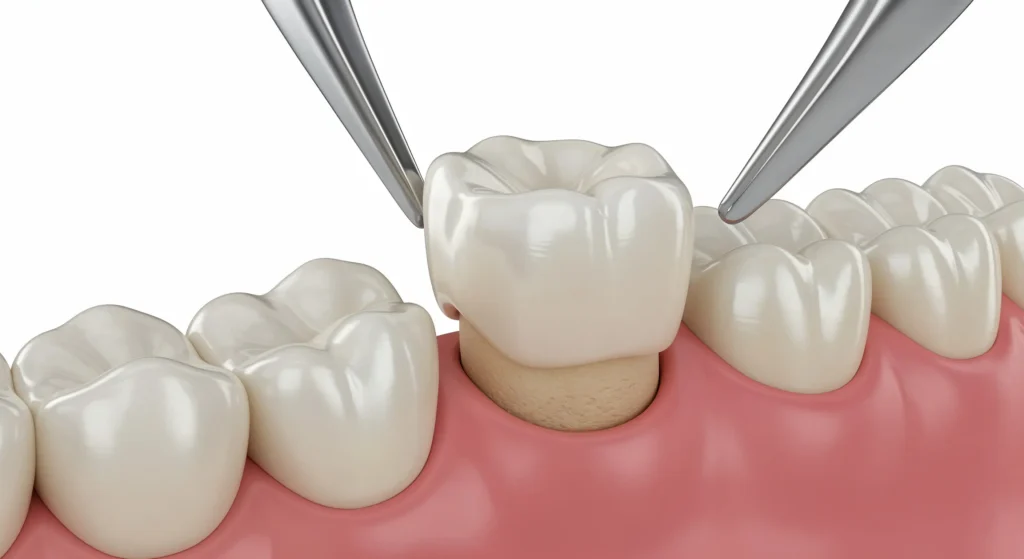
A sudden toothache has a way of shrinking your world. It can start as a dull throb after dinner, then turn into a pounding pressure that travels into the jaw, ear, or temple before bedtime. By morning, chewing feels impossible, cold air stings, and even speaking can set off pain. In that moment, people are not thinking about long-term smile goals. They want relief, they want answers, and they want to know whether the problem is dangerous.
That is where an Emergency Dentist matters. Fast care is not only about stopping pain, although that alone can feel life-changing. It is also about reducing swelling, draining pressure, preventing infection from spreading, and preserving a tooth that might otherwise be lost. When treatment happens quickly, the difference can be dramatic. Patients often arrive tense, pale, and exhausted, then leave able to breathe normally, unclench their shoulders, and think clearly again.
Dental emergencies rarely happen at convenient times. A cracked molar during lunch, a knocked-out tooth at a weekend game, a crown that comes off before a work trip, a wisdom tooth flare-up the night before a wedding, these are common stories in urgent dental care. The good news is that many of the most painful situations can be stabilized quickly when the right dentist sees you in time.
Why dental pressure becomes so intense
People often use the word "pressure" when they talk about dental pain, and it is usually an accurate description. Inside each tooth is a small chamber containing nerves and blood vessels. When decay reaches that area, or when trauma inflames it, pressure builds in a space with nowhere to expand. That pressure can produce the deep, pounding ache many people describe as unbearable.
Swelling in the surrounding gum or jaw can make matters worse. An abscess, which is a pocket of infection, can create heat, tenderness, bad taste, and facial swelling. Sometimes patients tell me the pain is not even centered on one tooth. It feels vague, spreading upward or backward, making it hard to pinpoint. That is common. Dental pain often refers into nearby areas, which is one reason self-diagnosis can be so unreliable.
Pressure also builds when food packs into a broken tooth, when a partially erupted wisdom tooth traps bacteria under a flap of gum, or when clenching inflames the ligament around a tooth. Not every emergency involves infection, but many involve inflammation, and inflamed tissue in a tight space tends to hurt fast and hard.
The situations an Emergency Dentist sees most often
Urgent dental visits cover a wide range of problems, from obvious trauma to infections that started quietly and then escalated. Severe toothache is probably the most frequent reason people call. Usually it stems from deep decay, a cracked tooth, an infected nerve, or a failed filling. Pain with swelling raises the level of concern, especially if the swelling is growing or making it hard to open the mouth.
Broken teeth are another common emergency. A fracture may expose sensitive dentin or even the nerve, creating sharp pain with air, heat, or pressure. Lost crowns, loose bridges, and dislodged fillings can also trigger sudden discomfort, particularly if they expose an already compromised tooth underneath.
Then there are injuries. A sports collision, a fall on ice, or even biting down on an olive pit can chip or knock out a tooth. Time matters here. A tooth that is completely avulsed, meaning knocked out of the socket, has the best chance of survival if it is replanted quickly, ideally within 30 minutes, although successful outcomes sometimes happen later if the tooth is handled properly.
Gum infections, post-extraction complications, and painful wisdom teeth round out the list of true dental urgencies. Dry socket deserves special mention because patients often say it is unlike anything they expected. The clot is lost from the extraction site, leaving bone exposed and causing severe radiating pain a few days after the procedure. It is miserable, but it can usually be relieved promptly once treated.
What happens during an emergency dental visit
People often delay because they imagine an emergency appointment will be long, invasive, and expensive from the first minute. In reality, the first goal is assessment and stabilization. The dentist needs to answer a few practical questions quickly. What is causing the pain? Is there infection? Is the tooth restorable? Is there risk to the airway or surrounding tissues? What can be done today to reduce symptoms safely?
Most emergency visits start with a targeted history and examination. The dentist will ask when the pain began, whether it wakes you at night, whether heat or cold changes it, and whether swelling or fever is present. X-rays are often taken, sometimes limited to the area rather than a full series, because the goal is speed and clarity.
Once the source is identified, treatment is usually focused on getting you out of crisis. That might mean draining an abscess, prescribing medication when appropriate, smoothing a sharp fracture, recementing a crown, placing a temporary sedative filling, adjusting a bite that is traumatizing the tooth, or starting root canal treatment. Some offices can complete definitive treatment the same day. Others stabilize the problem and book the next step within a short window.
A good Emergency Dentist does two things at once. First, they reduce pain now. Second, they make a judgment call about what saves the tooth and protects your overall health over the next few days and weeks.
The fastest ways relief usually happens
Relief depends on the cause, which is why one-size-fits-all advice so often fails. If the pain comes from trapped infection, drainage can help within minutes because it reduces internal pressure. Patients are often surprised by how immediate the change feels. The ache may not vanish entirely on the spot, but the pounding intensity drops.
If the nerve inside the tooth is inflamed or infected, opening the tooth and removing pressure from the pulp can bring substantial relief. This is one reason emergency root canal access is so effective in the right case. When a cracked cusp is flexing every time you bite, covering or stabilizing the tooth can stop the sharp jolt. When a lost filling has exposed a sensitive area, a temporary or permanent restoration can calm things quickly.
Medication sometimes plays a role, but it is not usually the whole solution. Painkillers can take the edge off. Antibiotics can help when there is spreading infection, swelling, or systemic involvement. Yet antibiotics alone do not remove dead tissue, seal a fracture, or drain pus. Patients often feel frustrated when they receive medication elsewhere but continue to worsen because the pressure source remains untreated.
Local anesthetic is another unsung hero in emergency care. In skilled hands, profound numbness changes the experience immediately. Someone who arrived guarding one side of the face can finally tolerate examination and treatment. That matters because a calm, numb patient gets better care than one who is white-knuckling through every second.
When swelling is more than a dental nuisance
Not every toothache is dangerous, but some emergencies carry real medical risk. Swelling under the jaw, fever, trouble swallowing, a muffled voice, or difficulty breathing can signal a spreading infection that needs urgent attention. These are not symptoms to watch overnight while hoping for the best.
Dental infections can travel into facial spaces and, in severe cases, compromise the airway. That is rare, but dentists who manage emergencies stay alert for those red flags because delay can become serious quickly. If the swelling is rapidly expanding, if you cannot swallow saliva, or if breathing feels restricted, emergency medical care may be needed in addition to dental treatment.
This is one of the most important judgment calls in urgent care. A tooth problem is not always just a tooth problem. An experienced Emergency Dentist knows when the case is safely managed in the chair and when it requires escalation to hospital-based care.
Common treatments that bring same-day relief
Different emergencies call for different tools, but a relatively small set of interventions accounts for most same-day improvements. The right treatment often sounds simple, yet it is simple because the diagnosis is clear and the action is targeted.
- Draining an abscess to release pressure and reduce swelling.
- Opening a tooth to relieve pressure from an infected or inflamed nerve.
- Repairing or temporarily sealing a broken tooth, lost filling, or loose crown.
- Extracting a tooth that cannot be saved and is driving infection or severe pain.
- Dressing a dry socket or treating inflamed gum tissue around a wisdom tooth.
These are not interchangeable options. A dentist chooses among them based on the tooth’s condition, the patient’s health, the extent of infection, and whether long-term restoration is realistic. Saving the tooth is often the priority, but not at any cost. A deeply split tooth below the gum line, for example, may continue to fail no matter how much temporary treatment is done. In that case, honest advice is part of good emergency care.
What you can do before you get to the office
The period between the first pain spike and the appointment can feel endless, especially at night. Some home steps help, and some make things worse. The aim is to control symptoms without creating a new problem.
Rinsing gently with warm salt water can soothe irritated tissues and clear debris. Cold compresses on the outside of the face may reduce swelling from trauma or inflammation. Over-the-counter pain medication can help if you can take it safely and according to the label. Keeping your head elevated often reduces throbbing when lying down worsens it.
A few habits are worth avoiding. Do not place aspirin directly on the gum, which can burn the tissue. Do not apply heat to a swollen face because it may increase swelling. If a tooth is knocked out, do not scrub the root clean. Handle it by the crown, not the root, and keep it moist in milk or saliva if possible while you seek care immediately.
Here is a short guide that is genuinely useful in the first hour:
| Situation | Best immediate step | | --- | --- | | Knocked-out tooth | Hold by the crown, keep moist in milk or saliva, get to a dentist fast | | Facial swelling | Cold compress outside the face, call for urgent care | | Broken tooth | Save pieces if possible, rinse gently, avoid chewing on that side | | Lost filling or crown | Keep the area clean, avoid sticky foods, book same-day care if painful | | Severe throbbing toothache | Rinse with warm salt water, take appropriate pain relief, seek prompt evaluation |
Antibiotics help sometimes, but they are not the fix people imagine
Many patients assume antibiotics are the standard answer for dental pain. Sometimes they are appropriate, but just as often they are not. If the problem is inflamed nerve tissue inside a tooth, antibiotics may do little because the blood supply to the dead or dying pulp is compromised. The medication cannot substitute for removing infection, relieving pressure, or treating the actual structure that failed.
Antibiotics become more important when there is visible swelling, fever, spreading infection, swollen lymph nodes, or difficulty opening the mouth. Even then, they are usually an adjunct to dental treatment rather than the treatment itself. This is one area where experience matters. Overprescribing is poor care, but under-recognizing a serious infection is also poor care. The right decision depends on the whole picture.
The emotional side of emergency dental pain
It is easy to underestimate how distressing acute dental pain can be. People arrive sleep-deprived, irritable, frightened, and embarrassed that they waited so long. Some are worried about cost. Others have had a bad dental experience years ago and only come when they can no longer function.
The best emergency care acknowledges that emotional reality without dramatizing it. Calm communication goes a long way. When patients hear, “I can see why this hurts. Here is what is causing it, and here is how we can relieve it today,” their breathing changes. The body settles because uncertainty starts to lift.
One patient I remember had spent two nights sleeping upright on a couch because every time she lay flat, the pressure surged. She was convinced she needed antibiotics and nothing else. The problem turned out to be an abscessed upper molar. Once it was numbed and drained, the visible relief on her face was immediate. She still needed further treatment after that, but the crisis was over. That is often the real value of emergency dentistry. It restores control.
How emergency dentists decide whether to save or remove a tooth
Pain alone does not determine the plan. A tooth may hurt terribly and still be very saveable. Another may be less painful but structurally hopeless. Dentists weigh several factors, including the size and depth of decay, whether the fracture extends below the gum line, bone support, mobility, periodontal disease, and how important that tooth is in the bite.
Molars with strategic value are often worth substantial effort if the foundation is sound. Front teeth knocked out in healthy young patients are treated aggressively because appearance and function matter so much. By contrast, a badly broken wisdom tooth with recurrent infection often makes more sense to remove.
There are trade-offs. A same-day extraction may end pain fastest, but losing the tooth creates a future restorative decision. Root canal treatment can preserve function, but it requires enough healthy structure left to support a filling or crown. A seasoned Emergency Dentist explains those trade-offs clearly instead of pushing every patient toward the same outcome.
Cost, timing, and why delay often becomes more expensive
People hesitate for understandable reasons. Dental emergencies are inconvenient, and urgent visits are rarely in the monthly budget. Still, waiting often turns a manageable issue into a larger one. A small crack becomes a split tooth. A cavity that might have needed a filling progresses to an abscess and root canal. A loose crown that could have been recemented is swallowed or lost, and the tooth underneath fractures.
Cost also rises when infection spreads or when after-hours care becomes necessary. Even from a purely practical standpoint, earlier treatment usually preserves more options. That does not mean every twinge needs same-day care, but pain that is worsening, waking you at night, accompanied by swelling, or triggered by a recent injury should not be brushed aside.
Choosing the right Emergency Dentist when time matters
When you are in pain, you are not researching for entertainment. You need a clinic that answers the phone, triages appropriately, and makes room for urgent problems. Responsiveness matters. So does clarity. A good office can usually tell you what to bring, how to manage symptoms before arrival, and whether your signs suggest a true emergency.
Look for signs of practical competence rather than flashy promises. Can they take diagnostic X-rays on site? Do they handle extractions, trauma, and endodontic emergencies, or only offer temporary palliative care? Will they tell you honestly if hospital evaluation is safer? The best emergency providers are not always the ones with the most dramatic advertising. They are the ones with sound systems, strong clinical judgment, and staff who do not panic when a patient walks in swollen and hurting.
Aftercare matters more than people think
Relief after treatment can be immediate, but healing still takes time. Tissues remain inflamed even after the source of pressure is removed. That is why patients are often told to expect soreness for a few days, particularly after drainage, extraction, or root canal therapy. Following instructions matters. Finishing prescribed medication when indicated, avoiding chewing on a temporary restoration, returning for definitive treatment, and watching for worsening swelling all affect the outcome.
This is where emergency care sometimes fails if follow-up is neglected. A temporary fix is exactly that, temporary. Sedative fillings wear down. Drained infections can recur if the tooth is not treated or removed. Recemented crowns may need replacement if the underlying tooth has decayed. Emergency dentistry stops the immediate spiral, but durable results come from completing the plan.
Fast relief is not luck, it is diagnosis plus action
When people say an Emergency Dentist relieved pressure and pain fast, they are usually describing something very specific. https://maps.app.goo.gl/xbjvDFvMJ78BJKnj9 The dentist identified the true source, chose the shortest path to reducing inflammation or infection, and acted before the problem spread further. It can feel almost miraculous in the moment, but it is built on anatomy, judgment, and timing.
The takeaway is simple. Sharp pain, throbbing pressure, swelling, trauma, or a knocked-out tooth deserve prompt attention. Home remedies may buy a little time, but they rarely solve the underlying cause. The sooner the problem is examined, the better the odds of controlling pain quickly and saving the tooth when possible. For many patients, that urgent visit is the point where panic gives way to relief, and where a bad night stops becoming a much bigger problem.
Simple Dental South Gate
Address: 8617 California Ave, South Gate, CA 90280
Phone number: +13236896118
FAQ About Emergency Dentist Southgate CA
What can the ER do for a tooth?
The emergency room can provide temporary symptom relief for a bad tooth, such as prescribing pain medicine or antibiotics, but it cannot fix the actual dental problem.
What is the 3-3-3 rule for tooth infection?
The 3-3-3 rule for a toothache or infection typically means taking three 200 mg ibuprofen tablets (600 mg total) three times a day for no more than three days to control pain and swelling while waiting to see a dentist.
What do you do if you have a dental emergency but no dentist?
If you have a dental emergency and no regular dentist, you should search for an urgent care dental clinic, call local walk-in dental offices, or go to a hospital emergency room if you have severe bleeding, swelling, or trouble breathing.