What Does a General Dentist Do? A Complete Guide


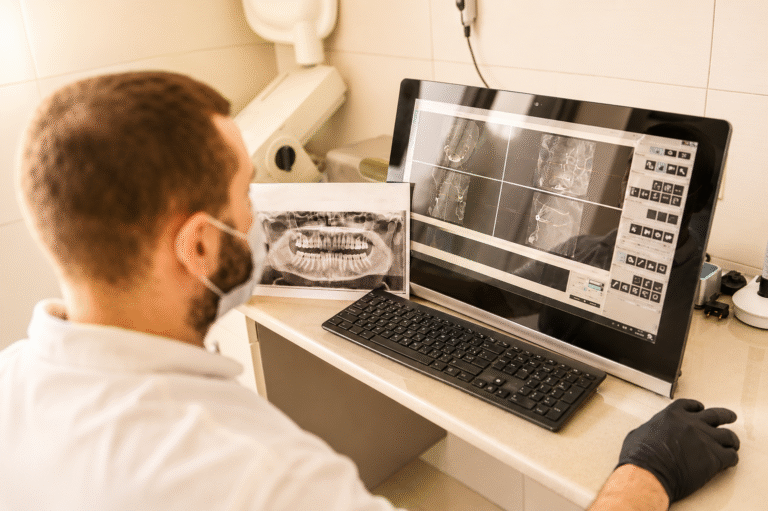
Most people know they should see a dentist regularly, but fewer understand what a general dentist actually does from day to day. The title sounds broad because it is broad. A general dentist is the primary dental care provider for children, teens, adults, and often older patients as well. They diagnose problems, prevent disease, restore damaged teeth, manage pain, monitor changes over time, and help patients make practical choices about treatment.
If you think of oral health the way you think of primary medical care, the general dentist fills a similar role. This is the clinician who gets to know your mouth over years, spots subtle changes before they become emergencies, and coordinates care when a specialist is needed. For many families, one general dentist handles everything from a child’s first fillings to an adult’s crowns and a grandparent’s dentures.
That range is part of what makes the profession so valuable. A good general dentist combines science, technical skill, communication, and judgment. They are not just “the person who cleans teeth” and not only “the person who fills cavities.” Their job sits at the center of prevention, diagnosis, repair, and long-term planning.
The scope of general dentistry
A general dentist is trained to care for the teeth, gums, jaw support structures, and the soft tissues of the mouth. In practical terms, that means they spend part of the day examining healthy mouths, part of it treating active disease, and part of it helping people avoid bigger problems later.
Some patients arrive with no symptoms and only need a routine exam, cleaning, and updated X-rays. Others come in with a cracked molar after biting ice, a gum infection, a loose crown before a wedding, or a dull toothache that has been building for months. The general dentist has to move comfortably between preventive care and problem-solving.
That variety is easy to underestimate. A single morning might include checking a child’s erupting teeth, diagnosing gum disease in a middle-aged patient, replacing an old filling that has started to https://www.hotfrog.com/company/04053e1c36a1fa8b826aa981bb4b0b35/smyle-dental-newhall/santa-clarita/dental-care leak, discussing options for a missing tooth, and evaluating whether an older adult’s dry mouth is related to medication use. The work is clinical, but it also requires a strong understanding of behavior, habits, and life circumstances.
Preventing disease before it starts
Prevention is the quiet backbone of general dentistry. It is less dramatic than an emergency root canal, but it saves patients far more discomfort, time, and money.
During routine visits, a general dentist looks for early enamel breakdown, gum inflammation, bite wear, plaque buildup, tartar deposits, recession, oral lesions, and signs of grinding or clenching. Catching these changes early matters. A tiny cavity often needs a small filling. Ignore it for a year or two, and that same tooth may need a crown or root canal.
Preventive care usually includes professional cleanings, though in many practices those are performed by a dental hygienist as part of the dental team. The dentist still reviews the findings, confirms the diagnosis, and decides whether additional treatment is needed. They may also recommend fluoride, sealants for children or cavity-prone adults, changes to brushing technique, or shorter recall intervals for patients at higher risk.
Risk is not the same for everyone. One patient has perfect home care and low cavity activity for decades. Another develops repeated decay despite brushing twice a day because of dry mouth, frequent snacking, reflux, orthodontic appliances, or heavy soda use. A capable general dentist does not give every patient the same speech. They tailor advice to the real reason a problem keeps returning.
Diagnosing what is going on
Diagnosis is where experience shows. Many dental conditions overlap in symptoms. A patient says, “The top left side hurts,” but the real issue could be a cracked tooth, sinus pressure, gum infection, bite trauma, nerve inflammation, or pain referred from another area. The general dentist has to sort through that carefully.
They use visual exams, X-rays, periodontal measurements, percussion tests, cold testing, bite analysis, and patient history to narrow things down. Sometimes the answer is obvious, such as a large cavity visible on an X-ray. Sometimes it is not. Hairline cracks can be notoriously tricky. So can intermittent pain that disappears the day of the appointment.
A thoughtful dentist also looks beyond the chief complaint. A patient who comes in for one broken filling might leave with a discussion about generalized wear from nighttime grinding or bleeding gums that suggest early periodontal disease. That is not upselling when done ethically. It is comprehensive care. Many serious dental problems develop gradually and painlessly.
Restoring teeth that are damaged or decayed
One of the most familiar parts of general dentistry is restorative treatment. When teeth are decayed, chipped, worn, fractured, or structurally weak, the general dentist repairs them in a way that restores function and, when possible, appearance.
Fillings are among the most common procedures. They are used when decay or minor fracture has damaged part of a tooth but enough healthy structure remains to preserve it with a direct restoration. Modern tooth-colored materials bond well and look natural, though the best choice can depend on the location of the tooth, moisture control, bite pressure, and the size of the damaged area.
When more of the tooth has been lost, a crown may be the better option. Crowns cover and protect a heavily restored or weakened tooth, especially after a large fracture or root canal treatment. Patients sometimes resist crowns because they cost more than fillings, but there are cases where placing another large filling into a fragile tooth is simply a short-term patch. A seasoned general dentist explains that trade-off rather than offering false reassurance.
General dentists also re-cement loose crowns, adjust high fillings, repair certain chipped restorations, and replace old dental work that no longer seals properly. Dentistry is not permanent the way people sometimes assume. Fillings age. Crowns wear. Margins leak. Materials are durable, but the mouth is a hard environment.
Treating infections and tooth pain
Pain changes the atmosphere of a dental appointment. A patient who has lived with a toothache for a week often arrives tired, irritable, and worried. One of the core responsibilities of a general dentist is figuring out the source quickly and helping the patient get relief.
Tooth pain may come from deep decay, infection in the pulp, an abscess near the root, a cracked tooth, inflamed gums, trauma, or impacted food under the gumline. Treatment depends on the cause. Sometimes a filling solves the problem. Sometimes the tooth needs root canal therapy. Sometimes it cannot be saved and must be removed.
Many general dentists perform root canals on straightforward cases, especially front teeth and some premolars. Others refer more complex anatomy, retreatment cases, or severe infections to an endodontist. Extractions can also be done by many general dentists, particularly for teeth that are clearly non-restorable and not surgically difficult. Wisdom teeth and complex surgical cases are often referred out.
Antibiotics are sometimes appropriate, but patients are often surprised to learn that antibiotics alone do not “fix” a tooth infection. If the source is inside the tooth or around the root, the infected tissue still needs to be removed or the tooth extracted. That point is essential, because delaying definitive care tends to turn manageable problems into weekend emergencies.
Caring for gums, not just teeth
A general dentist does not only focus on enamel and fillings. Gum health is fundamental. Teeth can be perfectly cavity-free and still be at risk if the supporting bone and gum tissues are diseased.
Gingivitis, the early stage of gum disease, is common and reversible. Periodontitis is more serious. It involves loss of supporting bone and can eventually lead to loose teeth or tooth loss. General dentists diagnose these conditions through clinical exams and measurements around the teeth, often with the support of the hygienist’s findings and radiographs.
Treatment may involve more frequent cleanings, scaling and root planing, improved home care, antibacterial rinses, and monitoring of pocket depths and bleeding. In advanced cases, referral to a periodontist may be necessary. What matters is that the general dentist recognizes the pattern early. Gum disease is often painless until it is severe, which means it can progress quietly in people who assume they are fine because nothing hurts.
There is also a broader health angle. Oral inflammation can complicate diabetes control, and uncontrolled diabetes can worsen periodontal disease. Dry mouth from medications can increase cavity risk dramatically. Smoking affects healing and gum stability. Good general dentists pay attention to these links because the mouth does not operate separately from the rest of the body.
Watching for oral cancer and other soft tissue changes
Routine dental exams include more than teeth and gums. A general dentist examines the tongue, cheeks, palate, floor of the mouth, lips, and throat area for suspicious changes. Most lesions are harmless, such as cheek biting or minor irritation, but some are not.
This part of the exam is easy to overlook because it is quick and often silent. The dentist checks texture, color, swelling, ulceration, and asymmetry. If something persists and does not look routine, they may recommend monitoring, biopsy, or referral to an oral surgeon or specialist. Early detection matters. Oral cancer is far easier to manage when found early than when discovered late because a sore spot was ignored for months.
Patients do not always connect their dentist with cancer screening, yet general dentists are often the professionals most likely to notice an unusual oral lesion during a routine visit.
Replacing missing teeth and restoring function
Missing teeth affect chewing, speech, appearance, and bite stability. A general dentist helps patients understand replacement options and the practical pros and cons of each.
Common solutions include:
- Dental implants, when the patient has enough bone and is medically suitable.
- Fixed bridges, which use neighboring teeth for support.
- Partial dentures, for multiple missing teeth.
- Full dentures, when all teeth in an arch are missing.
- Leaving a space untreated, in select cases where the risks and consequences are understood.
No single option is best for everyone. Implants often offer the most natural feel and preserve function well, but they involve surgery, time, and cost. Bridges can work beautifully, but they require preparation of adjacent teeth. Partial dentures are more affordable for many patients, though they can feel bulky at first and require adaptation.
One of the more valuable services a general dentist provides is helping people make realistic decisions rather than idealized ones. The best treatment on paper is not always the best treatment for a patient’s budget, tolerance for procedures, travel schedule, or medical history. Good dentistry respects both biology and real life.
Cosmetic improvements, when health and appearance overlap
Many general dentists also provide cosmetic treatments, though cosmetic care often overlaps with restorative needs. A patient may ask for whiter teeth and also need old visible fillings replaced. Another wants straighter-looking front teeth but really has edge wear from grinding that should be stabilized first.
Cosmetic services in general practice can include whitening, bonding, veneers in some offices, contouring minor chips, and replacing dark or mismatched restorations. The key is restraint and planning. Not every aesthetic concern needs aggressive treatment. Sometimes the most conservative answer is whitening plus small bonding adjustments. Sometimes the right answer is no treatment at all, especially when the requested change would sacrifice healthy tooth structure for a modest cosmetic gain.
Experienced dentists learn that cosmetic success is not just about shade guides and symmetry. It is about making teeth look believable in a real face, under normal light, during speech and smiling.
Managing children, adults, and older patients differently
A general dentist often treats patients across the lifespan, and that requires flexibility.
With children, the job includes monitoring tooth development, spotting bite issues early, placing sealants, treating cavities in a way that preserves trust, and coaching parents on diet and home care without turning the appointment into a lecture. Pediatric visits are often as much about behavior and reassurance as they are about clinical treatment.
Adults usually present with the full range of routine care, wear, gum disease, broken restorations, stress-related grinding, and deferred treatment because of cost or time. Many adults come in after years away and feel embarrassed. A good general dentist handles that moment carefully. Shame rarely improves oral health. Clear plans do.
Older patients often bring added complexity. There may be multiple medications, dry mouth, gum recession, root decay, bridges or dentures that need adjustment, limited dexterity for home care, or medical issues that influence treatment choices. The technical dentistry matters, but so does pacing, comfort, and communication.
When a general dentist refers to a specialist
General dentists do a lot, but part of doing the job well is knowing when another specialist is the better fit. Referral is not a limitation. It is good judgment.
A patient with severe gum disease may need a periodontist. A tooth with highly curved roots or a failed prior root canal may need an endodontist. Impacted wisdom teeth often go to an oral surgeon. Significant bite discrepancies or alignment concerns may require an orthodontist. Complex cosmetic rehabs may also be co-managed depending on the case.
Patients sometimes assume referral means something went wrong. Usually it means the dentist wants the person with the narrowest and deepest expertise for that specific issue. In strong practices, general dentists coordinate those referrals and remain the central point of continuity before and after specialist treatment.
What happens during a typical visit
A routine appointment may feel simple from the patient side, but several layers of evaluation happen quickly. The visit usually includes reviewing medical history, checking medications, discussing symptoms or changes, examining the teeth and soft tissues, assessing gum health, and reviewing any needed X-rays. If a cleaning is scheduled, the hygienist may complete it before the dentist’s exam, though the sequence varies by office.
When treatment is needed, the general dentist explains what they found, how urgent it is, and what the options are. This conversation matters more than many patients realize. Good dentists distinguish between what should be done now, what can safely wait, and what is optional. That helps patients prioritize instead of feeling overwhelmed.
A practical discussion often covers:
- Whether the problem is reversible, stable, or likely to worsen.
- What treatment choices exist, including conservative and more durable options.
- How long a restoration may reasonably last under the circumstances.
- What discomfort, recovery time, or follow-up to expect.
- What could happen if treatment is postponed.
Patients rarely need a perfect mouth by next Tuesday. They usually need a sensible plan.
Skills that define a good general dentist
Technical training matters, but patients usually judge their dentist by a blend of skill, honesty, and consistency. The best general dentists are careful diagnosticians, steady hands, and good communicators. They explain without talking down. They can calm a nervous patient without sounding dismissive. They do not oversell treatment, and they do not ignore small problems because they are easier to avoid.
There is also a quiet craftsmanship to the work. A well-shaped filling that does not trap food, a crown margin that fits cleanly, an adjusted bite that feels normal, an injection given gently, these details shape trust. Patients may not know the terminology, but they know when their mouth feels better and when care feels thoughtful.
The profession also demands constant updating. Materials improve, bonding protocols change, imaging becomes more refined, and standards evolve. A responsible general dentist keeps learning because dentistry ages quickly when a clinician stops paying attention.
Why regular care matters more than heroic treatment
People often think dentistry is about fixing damage after it happens. The truth is that the best dental care is usually quieter than that. It is the small cavity found early, the gum disease addressed before teeth loosen, the night guard made before years of grinding flatten the bite, the cracked tooth protected before it splits to the root.
General dentistry works best as an ongoing relationship, not a series of emergencies. When a dentist has seen your mouth over time, they can compare, monitor, and intervene earlier. A stain that is unchanged for years is different from a new patch of tissue that appeared last month. A hairline craze line on a molar may simply be watched, while a deepening crack pattern with symptoms changes the conversation.
That continuity saves trouble. It also leads to more conservative care. Waiting until pain forces action often means the treatment gets bigger, not smaller.
The bottom line on what a general dentist does
A general dentist is the main dental doctor for everyday oral health. They prevent disease, detect problems early, restore damaged teeth, treat pain and infection, monitor gum health, screen for oral cancer, replace missing teeth, and guide patients through decisions that balance health, function, appearance, time, and cost.
That may sound wide-ranging because it is. General dentistry is one of the few healthcare fields where the same clinician may spend part of the hour discussing preventive habits, part of it reading X-rays, and part of it rebuilding a tooth with millimeter-level precision. Done well, it is both practical and highly skilled.
For patients, the takeaway is simple. A general dentist is not just there for a cleaning or a crisis. They are the professional who helps you keep your mouth working comfortably over the long term, catches the things you cannot see, and helps you avoid the kind of problems that become expensive, painful, and hard to ignore.
Smyle Dental Newhall
Address: 23754 Newhall Ave, Santa Clarita, CA 91321
Phone number: +16612559200
FAQ About General dentist
What does it mean by general dentist?
A general dentist is your primary dental care provider. They focus on the overall prevention, diagnosis, and treatment of your daily oral health needs. Think of them as your primary care doctor, but for your teeth and gums.
What is the difference between a dentist and a general dentist?
A dentist is a broad professional title for any licensed oral healthcare provider, while a general dentist is a specific type of primary care dentist who focuses on routine, preventive, and everyday treatments.
What is the difference between a dentistry practitioner and a dentist?
A dentist is a licensed doctoral-level healthcare professional, whereas a dental practitioner is a broader umbrella term that can include dentists as well as other trained oral health professionals.