When a Loose Crown Becomes an Emergency Dentist Issue
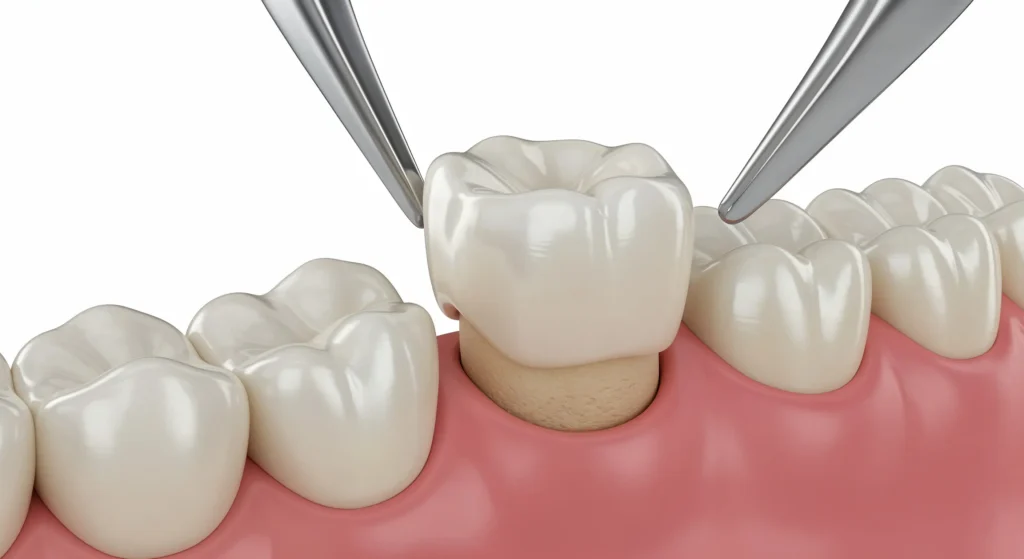
A loose dental crown does not always create a true emergency, but it can become one faster than many people expect. In practice, the difference often comes down to timing, symptoms, and what sits underneath the crown. A patient may notice a slight wiggle while flossing at dinner and assume it can wait a week. By the next morning, the crown may be off completely, the exposed tooth may be painfully sensitive, and chewing on that side may be impossible. In some cases, the crown itself is not the main problem at all. The urgent issue is decay, a cracked tooth, a failing root canal, or infection that was hidden beneath it.
That is why the phrase Emergency Dentist sometimes fits a situation that sounds minor on the surface. Crowns are meant to protect teeth that have already been weakened by fracture, large fillings, root canal treatment, or heavy wear. Once that protective seal is compromised, the tooth underneath becomes vulnerable very quickly. Heat, cold, pressure, and bacteria gain access to areas that were never meant to be exposed.
The real question is not simply, “Is my crown loose?” It is, “What risk does this loose crown create if I wait?”
A crown can feel stable right up until it fails
Patients often describe the warning signs in the same way. The crown feels “a little strange,” “higher than normal,” or “like it moves if I push on it with my tongue.” Sometimes there is a faint smell, a bad taste, or food packing around the gumline. Sometimes there is no pain at all. That lack of pain gives false reassurance.
A crown can loosen because the cement has washed out over time. It can also loosen because the tooth structure beneath it has changed. Decay can develop at the margin where crown and tooth meet. A tooth can crack under biting pressure. Gum recession can expose edges that trap food and plaque. In a person who clenches or grinds, repeated force can slowly break the seal even when the crown itself looks intact.
This is why https://maps.app.goo.gl/xbjvDFvMJ78BJKnj9 a loose crown deserves prompt attention even when it is not yet causing severe pain. The longer it shifts, the more likely it is to damage the remaining tooth, irritate the gum, or come off at the worst possible moment, often while eating something sticky or hard.
When it crosses the line into urgent care
There is a wide gap between “needs an appointment soon” and “needs urgent treatment today,” but loose crowns can move from one category to the other in a matter of hours. An Emergency Dentist becomes the right call when the loose crown is tied to pain, trauma, swelling, active bleeding, or a tooth that is no longer adequately protected.
These signs usually mean you should seek same-day or next-day dental care:
- significant pain when biting, or pain that lingers without chewing
- visible swelling of the gum, cheek, or jaw near the crowned tooth
- the crown has come off and the remaining tooth is cracked, sharp, or very sensitive
- fever, bad taste, or drainage that suggests infection
- the crown is loose after a blow to the mouth or facial injury
A crown that comes off a front tooth can also be urgent for a practical reason. Appearance matters, especially if speaking and smiling are part of your work. That kind of urgency is different from infection or trauma, but it is still real, and most dentists recognize that.
What is happening underneath matters more than the crown itself
A crown is the outer shell. The tooth underneath determines how serious the problem is.
Consider a molar that had a large filling before it was crowned. If the cement fails and the crown loosens, the tooth underneath may still be solid enough for the crown to be recemented. That is often the best-case scenario. The tooth is cleaned, the fit is checked, and the crown is placed back if it remains accurate and undamaged.
Now consider a different case. The crown loosens because decay has eaten away the tooth margin below the gumline. The patient may only notice movement in the crown, but the hidden problem is a loss of tooth structure. Once the dentist removes the crown, there may not be enough healthy tooth left to support it again. What started as “my crown feels loose” can turn into a replacement crown, a crown-lengthening discussion, or even an extraction if the decay extends too far.
A cracked tooth creates another kind of urgency. A crown can loosen because the tooth beneath has split under pressure. Patients often report a sharp, electric pain when releasing a bite on bread, nuts, or granola. That pain pattern matters. If a crack is small and limited, the tooth may still be saved. If the crack extends deep into the root, options become far more limited. Waiting can allow the crack to propagate, especially if the patient continues chewing on that side.
Pain changes the timeline
Not every loose crown hurts. When pain is present, its character offers clues.
A brief zing from cold can mean exposed dentin if the crown margin has opened. That is uncomfortable, but not always dangerous if treated promptly. Throbbing pain that wakes someone at night raises more concern about inflammation inside the tooth or infection around the root. Pain on chewing may suggest movement of the crown, decay under the edges, or a cracked tooth. Constant soreness in the gum around the crown may come from trapped debris, but it can also signal a poorly fitting margin or recurrent decay.
One detail often overlooked is whether the crowned tooth had a root canal. Patients assume a root canal means there cannot be an emergency because “the nerve is gone.” That is not always true. A root canal tooth can still develop infection at the root tip, fracture below the crown, or lose supporting tooth structure. Those cases may not show classic sensitivity to temperature, but they can still swell, ache on pressure, and require urgent intervention.
A common scenario in the office
One pattern repeats often enough to be worth describing. A patient calls on Friday afternoon saying a crown “just came loose a little” while eating lunch. There is no severe pain, so they ask whether it can wait until the following week. By Monday, the situation is different. The crown came off Saturday. The exposed tooth edge cut the tongue. Cold air caused stabbing sensitivity. By Sunday, the patient had shifted chewing to the other side and irritated the jaw. Monday morning, the temporary home fix they tried had glued the crown back in crooked, making the bite feel high.
This is not unusual, and it explains why dentists prefer to see loose crowns early. The first day is often simple. The fourth day may not be.
What you should do while waiting to be seen
If your crown is loose but still in place, the safest short-term plan is to leave it alone as much as possible and call your dentist. If it comes off entirely, keep it. Bring it to the appointment even if it looks damaged. Crowns that seem unusable sometimes can be re-cemented temporarily or used as a guide for a replacement.
Until you are seen, a few measures help reduce the chance of making things worse:
- avoid chewing on that side, especially sticky candy, nuts, crusty bread, and ice
- keep the area clean with gentle brushing and warm water rinses
- store the crown in a clean container if it has come off
- use dental cement from a pharmacy only if you have been advised to do so and the fit is obvious
- do not use super glue or household adhesive under any circumstances
That last point deserves plain language. People do it, and it creates problems. Household glue is not made for oral tissues. It can irritate the gum, alter the fit, trap bacteria, and make professional removal harder. A crown that is seated even slightly wrong can create a high bite, and a high bite on a weakened tooth can cause pain or fracture surprisingly fast.
The role of timing, especially after hours
A loose crown discovered on a Tuesday morning is one thing. A crown that comes off Saturday night before travel, a wedding, or a holiday meal is another. This is where urgent care judgment matters. Not every after-hours case requires a middle-of-the-night appointment, but certain details justify contacting an Emergency Dentist sooner rather than later.
If the crown is off and the tooth underneath is a thin stub with sharp edges, waiting can be risky because the remaining structure may chip. If there is swelling, fever, or spreading pain, the issue may be infection rather than just dislodged cement. If the crown is on a front tooth and has come off because of trauma, the dentist may also need to assess adjacent teeth and supporting bone, not just the visible crown.
For children and older adults, the threshold can be lower. A child may struggle to explain symptoms clearly, and a crown-related issue can interfere with eating enough or sleeping well. An older adult with dry mouth, extensive dental work, reduced dexterity, or medical conditions may have a higher risk of rapid decay progression or aspiration if the crown is very loose.
Why crowns loosen in the first place
People often want a simple explanation, but there usually are several contributing factors. Cement does not last forever, especially at the margin where saliva, acids, and mechanical wear do their work. Teeth also change over time. Gums recede. Bite forces shift. Night grinding intensifies during stressful periods. Fillings under older crowns can break down. Small leaks at the edges become larger ones.
Diet matters more than many realize. Frequent snacking on sugary or acidic foods does not usually pop a crown off overnight, but it does create conditions for recurrent decay around crown margins. Dry mouth compounds the risk. So does poor flossing technique if it pulls upward on a crown that is already compromised. A well-fitted crown should tolerate normal flossing, but a failing one may lift or rock.
Age of the crown is relevant, though not determinative. Some crowns last well over a decade. Others fail earlier because the underlying tooth was severely damaged to begin with, oral hygiene slipped, or the bite loads were heavy. A crown that lasted twelve years has not necessarily “worn out” in the way a tire does, but time increases the odds that one or more supporting factors has changed.
Recementing is not always the answer
Patients are often relieved to hear that a loose crown might simply be glued back on. Sometimes that is exactly what happens, and it can be straightforward. The dentist checks the crown for integrity, examines the tooth, cleans the surfaces, confirms the fit, and recements it.
The problem is that many loose crowns no longer fit the way they once did. If decay has altered the tooth shape, if part of the core buildup broke away inside the crown, or if the crown has been distorted, re-cementing would be short-lived at best and harmful at worst. Dentists have to think beyond whether the crown can be made to stay on for a week. They have to consider whether it can seal the tooth properly and whether the tooth can tolerate biting forces afterward.
That is often the frustrating moment for patients. They expected a quick fix and hear they need a new crown, additional buildup, root canal retreatment, or extraction. From the outside, it looked like a small problem. From the inside, the biology told a different story.
If the crown is loose but still attached
A partially attached crown can be trickier than one that has come off cleanly. It may move slightly, pinch the gum, and trap food, but still resist removal. Patients sometimes keep pushing it down with their fingers or tongue. That repeated movement can irritate the periodontal ligament and make the tooth feel sore or “bruised.” It can also enlarge any gap where bacteria and debris are collecting.
If the crown is dangling or obviously unstable, it may become a choking hazard, particularly during sleep or exercise. That alone can make the situation more urgent. In those cases, calling for same-day advice is wise. The dentist may want to remove it in the office, smooth the tooth if needed, and place a temporary solution until definitive care is possible.
How dentists decide whether this is an emergency
The decision is usually based on risk, not just discomfort. A dentist is weighing several questions at once. Is there infection? Is there active damage happening now? Is the remaining tooth structure exposed and fragile? Is there trauma involved? Can the patient eat, sleep, and function safely? Is there a risk the problem will worsen significantly if delayed forty-eight to seventy-two hours?
A patient with no pain, no swelling, and a crown that came off a sturdy tooth may be booked promptly without after-hours intervention. A patient with a loose crown, a swollen face, and a history of severe toothache is in a different category entirely. The crown may be the visible symptom of a deeper emergency.
This is also why photos can help when calling a dental office. A clear image of the crown, the exposed tooth, and any swelling can give the team useful information before you arrive. It will not replace an exam or x-ray, but it often helps with triage.
Special cases that deserve extra caution
Front teeth and back teeth behave differently when crowns loosen. A front crown is less exposed to heavy chewing force, but the underlying tooth may be smaller and more vulnerable to cosmetic compromise if handled badly. A back tooth crown may not matter cosmetically, but the load on a molar is substantial. Even one meal on an unprotected molar can chip a thin wall of remaining tooth structure.
Crowns on implant teeth are another category. An implant crown may feel loose because the crown screw has loosened, not because the implant itself is failing. That can still require prompt attention, especially if movement continues. A loose implant crown can damage the connection or collect debris around the tissue. The urgency is usually mechanical rather than infectious, but it should not be ignored.
Patients with a history of root canal treatment, gum disease, or multiple crown replacements on the same tooth also warrant caution. Repeated failure on one tooth often means there is an underlying structural problem, not just bad luck with cement.
Prevention is less dramatic, but it works
Most crown emergencies give some warning. Margins stain. Floss catches. Food packs in a new way. A bite feels slightly off. Mild cold sensitivity appears around a tooth that had been quiet for years. These changes are easy to dismiss because they are subtle and often intermittent.
Routine exams matter precisely because crowns fail at the edges first, in places patients cannot evaluate well on their own. A dentist can probe the margin, assess the fit, look for recurrent decay on x-rays, and notice bite wear patterns that suggest excessive force. Night guards help many grinders preserve crown work, especially on molars that take repeated stress.
Good home care is still central. Brushing at the gumline, flossing thoughtfully rather than aggressively snapping upward, and managing dry mouth all support crown longevity. So does using common sense with habits. Chewing ice, opening packaging with your teeth, and biting hard kernels or bones are classic ways to turn a stable restoration into an urgent appointment.
The practical bottom line
A loose crown is not automatically a middle-of-the-night dental emergency, but it is never something to shrug off. A crown exists to protect a tooth that usually cannot afford much more damage. Once that crown loosens, the window for an easy fix can be short.
If there is swelling, notable pain, trauma, fever, drainage, or a completely exposed and vulnerable tooth, contacting an Emergency Dentist is the appropriate move. If symptoms are mild, you may not need after-hours care, but you still need a prompt professional evaluation. Waiting to “see if it settles down” often turns a recement into a more complex and expensive problem.
The safest rule is simple. Treat a loose crown as time-sensitive, not trivial. The crown may be the part you can feel, but the part that determines urgency is usually hidden underneath.
Simple Dental South Gate
Address: 8617 California Ave, South Gate, CA 90280
Phone number: +13236896118
FAQ About Emergency Dentist Southgate CA
What can the ER do for a tooth?
The emergency room can provide temporary symptom relief for a bad tooth, such as prescribing pain medicine or antibiotics, but it cannot fix the actual dental problem.
What is the 3-3-3 rule for tooth infection?
The 3-3-3 rule for a toothache or infection typically means taking three 200 mg ibuprofen tablets (600 mg total) three times a day for no more than three days to control pain and swelling while waiting to see a dentist.
What do you do if you have a dental emergency but no dentist?
If you have a dental emergency and no regular dentist, you should search for an urgent care dental clinic, call local walk-in dental offices, or go to a hospital emergency room if you have severe bleeding, swelling, or trouble breathing.